
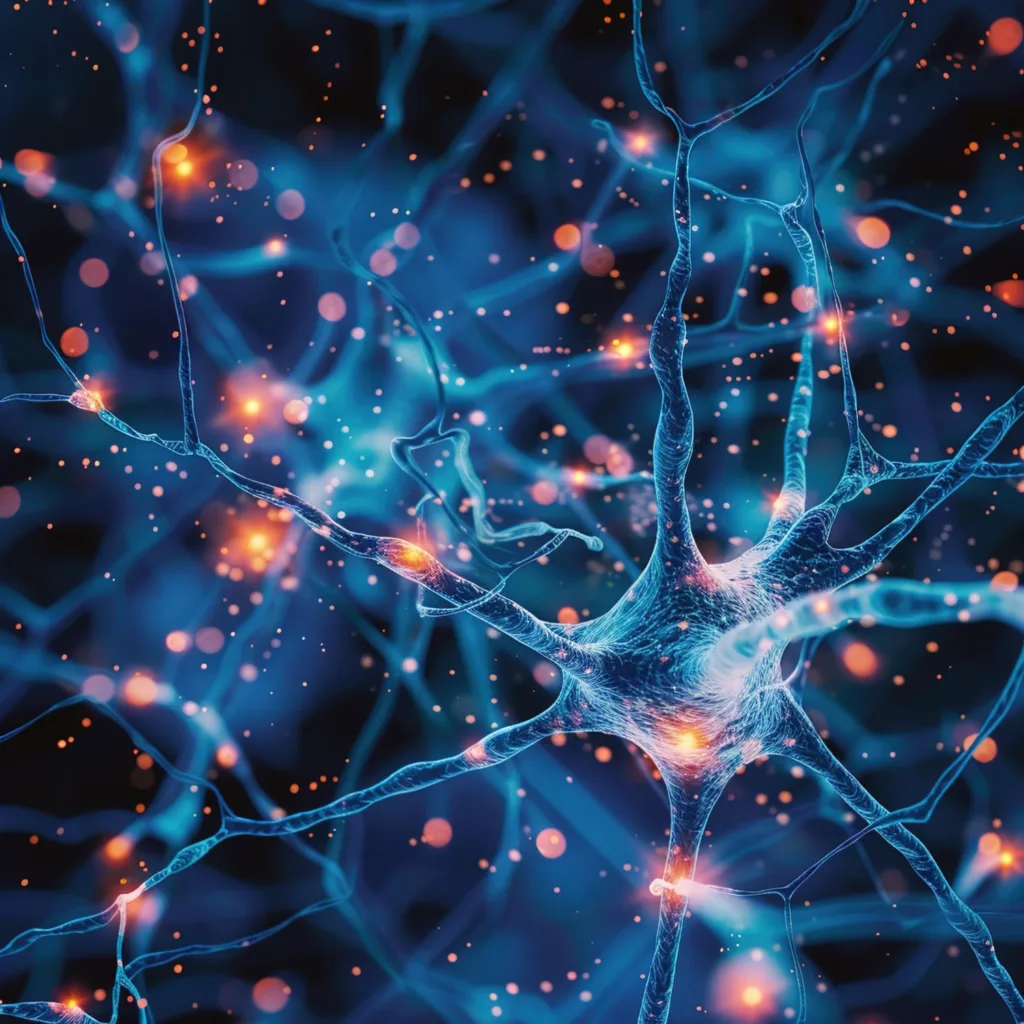
Brain neuroplasticity shows that the nervous system is not a closed system but a network that constantly responds to stimuli. The brain strengthens frequently used connections, weakens less needed pathways and learns new ways of working. This makes it easier to understand learning, rehabilitation and adaptation after changes in health. Modern science does not promise miracles, but it does show that everyday choices can support the efficiency of the nervous system. This is the starting point for a discussion of the possibilities and limits of regeneration.
In this article you will learn:
- Neurogenesis in the human brain – how are new neurons formed?
- Brain neuroplasticity and efficient functioning
- Do neurons regenerate? What science really says
- Can lifestyle help rebuild neurons?
- Exercises that support neuroplasticity – what is worth doing?
- What weakens the brain's ability to adapt?
- Neuron regeneration in the light of laboratory research
- Rebuilding nerve cells and research peptides
- Summary
Neurogenesis in the human brain – how are new neurons formed?
For years it was believed that the adult brain does not form new neurons. Today, studies indicate that new neurons can form in the brain, especially in the hippocampus, the area associated with memory and learning. This process does not mean, however, that the brain rebuilds itself as easily as skin after a cut. It is a limited process that depends on age, health, activity, sleep and environment. The key is a realistic approach: the brain retains its ability to change, but it needs regular stimulation.
Brain neuroplasticity and efficient functioning
Neuroplasticity in how the brain works is most visible when learning new skills. This property is based on the remodelling of connections between neurons, not on whole areas of the brain simply “growing back”. When you learn a language, play an instrument or regain your abilities after an injury, the brain strengthens the pathways that are frequently activated. Neural plasticity also makes it possible to switch off less used connections, which helps the nervous system organise information. This is exactly why brain plasticity matters in education, therapy and the prevention of cognitive decline.
Do neurons regenerate? What science really says
Rebuilding nerve cells requires distinguishing between several processes. In the central nervous system, neuron regeneration is limited because the environment of the brain and spinal cord inhibits the regrowth of fibres. Regeneration in the peripheral part of the nervous system can look different, as axons there have a greater ability to regrow. So the question of whether neurons regenerate has no single simple answer. Recovery after brain damage more often involves reorganising networks, healthy areas taking over functions and the formation of alternative connections than the complete replacement of lost cells.
Can lifestyle help rebuild neurons?
This question is best understood as a search for ways to give the brain better conditions for adaptation. Lifestyle influences on the brain include exercise, sleep, diet, social relationships and stress reduction. Regular physical activity promotes the release of BDNF, a factor that supports neurons and synapses. Sleep helps consolidate memories and clear away some metabolic by-products. Chronic stress, alcohol, lack of exercise and a diet rich in highly processed foods, on the other hand, can weaken repair and plasticity processes.
Exercises that support neuroplasticity – what is worth doing?
Such exercises should engage both body and mind, because the brain responds best to regular, varied stimuli. If you are wondering how to support neurogenesis, start with activities you can keep up over a longer period, such as:
- walking, swimming, cycling or dancing, which improve circulation and oxygen supply to nerve tissue,
- learning a language, a musical instrument or new manual skills,
- reading, writing, logic puzzles and activities that require concentration,
- looking after sleep and social relationships, and taking breaks from chronic tension.
Activities like these create an environment that favours the brain's adaptation. Brain plasticity increases when a task is a little harder than your current abilities but not overwhelming. The best effect comes from increasing challenges gradually and repeating them in different conditions.
What weakens the brain's ability to adapt?
Brain plasticity can weaken with lack of sleep, chronic stress, a sedentary lifestyle and cognitive monotony. Diet matters too, because neurons need adequate protein, omega-3 fatty acids, B vitamins and minerals. Too much alcohol, simple sugars and trans fats can promote inflammation and impair the metabolism of nerve cells. Supporting the nervous system therefore requires not only stimulation but also limiting the factors that make its work harder. Looking after your neurons works best as the sum of small, repeated decisions.
Neuron regeneration in the light of laboratory research
Neuron regeneration is a topic that scientists are still working on intensively, particularly in the context of neuroplasticity and ways of supporting the brain's natural adaptive processes. Laboratory research analyses, among other things, how nerve cells respond to various biological factors, oxidative stress, inflammation and damage.
Summary
Rebuilding neurons in the brain is a topic that scientists are constantly researching. The adult human brain is capable of adaptation, and the mechanisms described show its great flexibility. This does not, however, mean that every injury is fully repaired. The best support comes from a lifestyle based on exercise, sleep, learning and limiting stress.


