
Bestseller
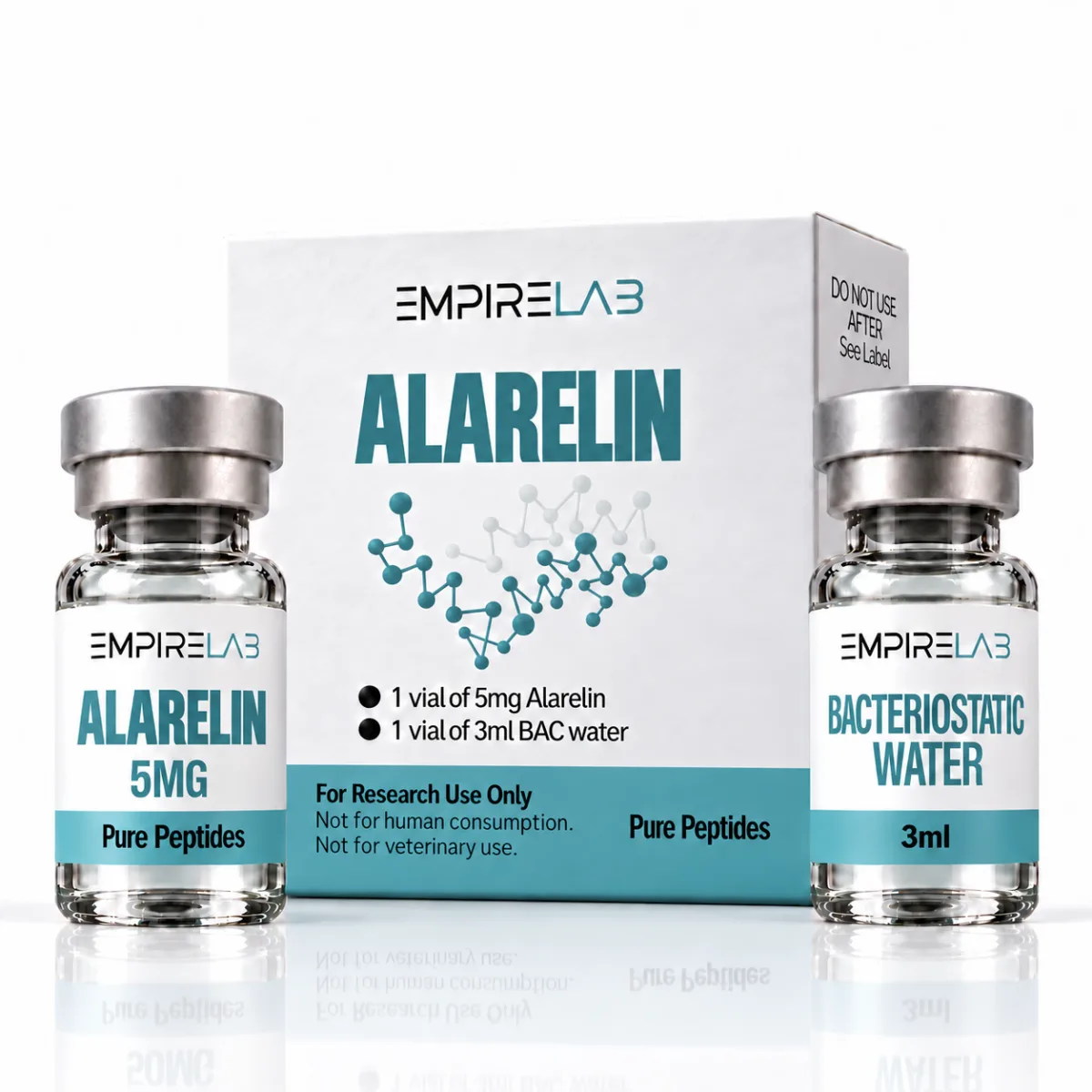
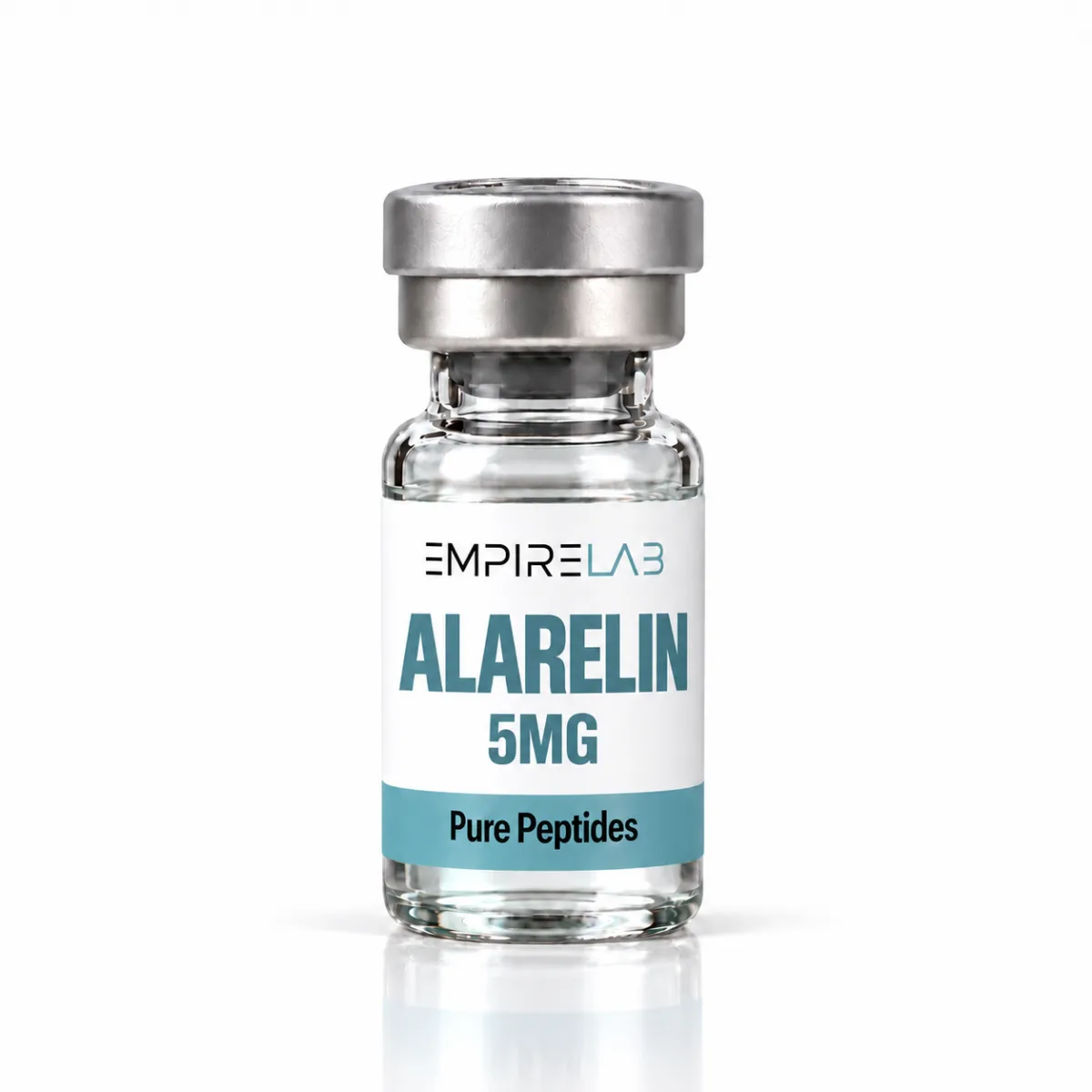
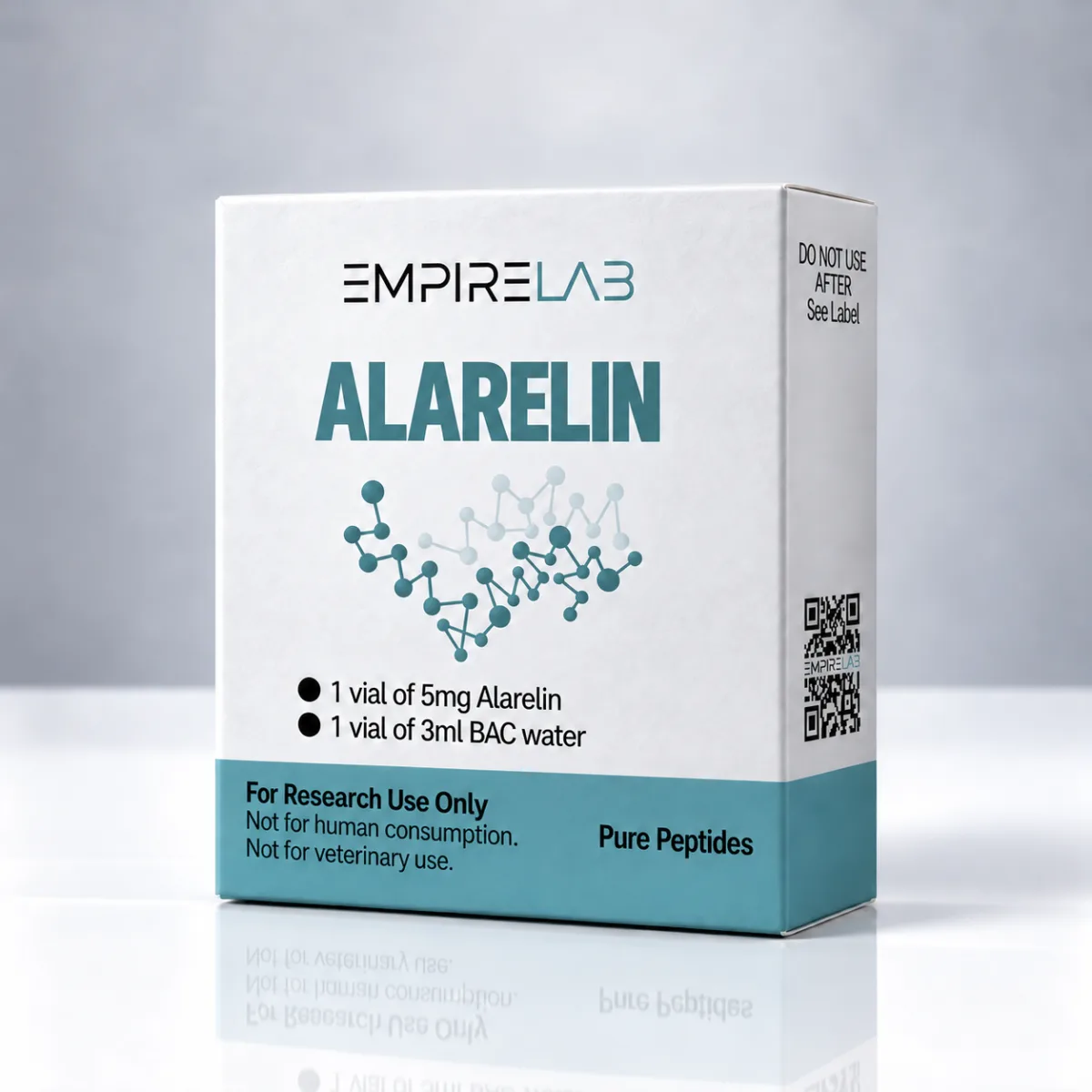
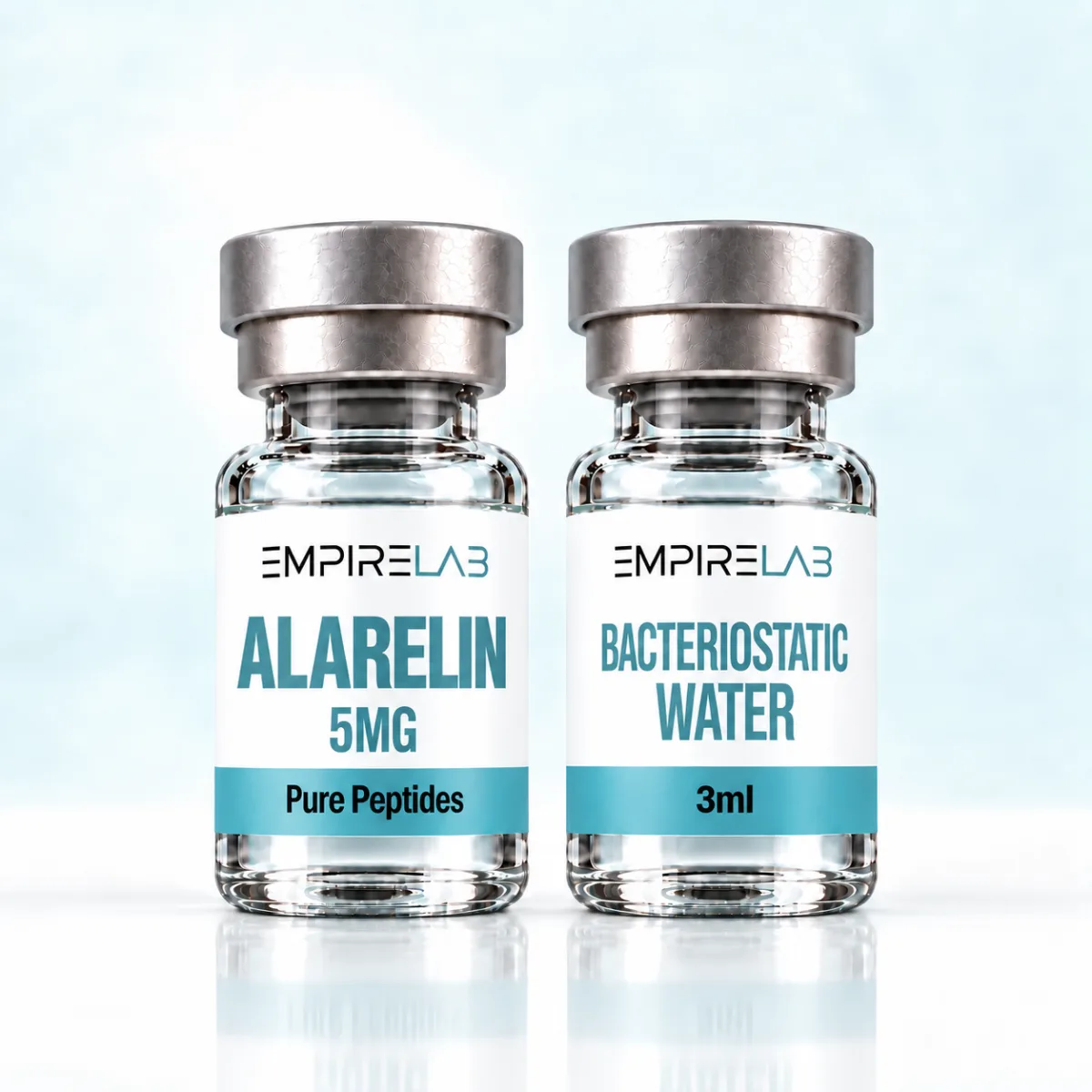
ALARELIN 5mg + 3ml BAC
5.00 / 5 · 2 reviews
€40.90
−0%
+ BACTERIOSTATIC WATER 3 ML
Chemical reagent intended for laboratory research only.
Before purchasing, we recommend reading the safety data sheet.
Store refrigerated and protect from shocks. Do not shake the vial!
Lowest price in the last 30 days: €40.90.
Secure delivery and payment
- DHL
- Bank transfer
What to prepare for research on the Alarelin peptide?
- a vial of the ALARELIN peptide,
- a laboratory syringe with graduated volume markings and a needle,
- BAC bacteriostatic water chosen for the planned concentration,
- isopropyl alcohol or 70% ethanol for disinfection.
In addition:
- beakers, test tubes or special autosampler vials,
- an HPLC column suitable for peptide analysis,
- an HPLC system with a UV, FLD or MS detector.
Example: to prepare an ALARELIN research sample, a defined amount of the peptide is dissolved in a suitably chosen volume of BAC water. The resulting concentration should match the requirements of the analytical method.
The concentration calculator can be used to work out the right amount of peptide.
Preparing the Alarelin solution for research
- The reagent vial is opened by removing the protective plastic cap.
- The rubber stopper of the vial should be disinfected with isopropyl alcohol or 70% ethanol.
- Using a sterile syringe, the appropriate amount of BAC water or another laboratory solvent is added.
- The contents of the vial are mixed with gentle circular movements until the powder has completely dissolved.
- Shaking the vial vigorously is not recommended, to reduce the risk of affecting the stability of the sample.
- The prepared sample is analysed according to the established laboratory protocol.
What is worth focusing on when analysing Alarelin?
- Peptide purity analysis – checking the homogeneity of the sample and detecting any impurities.
- Peptide identification – confirming the substance profile by HPLC or mass spectrometry (MS).
- Determining peptide concentration – quantitative analysis of the sample using a UV or FLD detector.
- Peptide stability testing – assessing the durability of the substance and identifying degradation products.
- Peptide elution profiling – separating the sample components and interpreting the chromatogram.
- Analysis in in vitro models – assessing the properties of the substance under controlled laboratory conditions.
Legal status of peptides in Poland
In Poland, peptides are available as chemical reagents intended for scientific and research purposes. They are not intended for use as medicinal products, food supplements, food or consumer products.
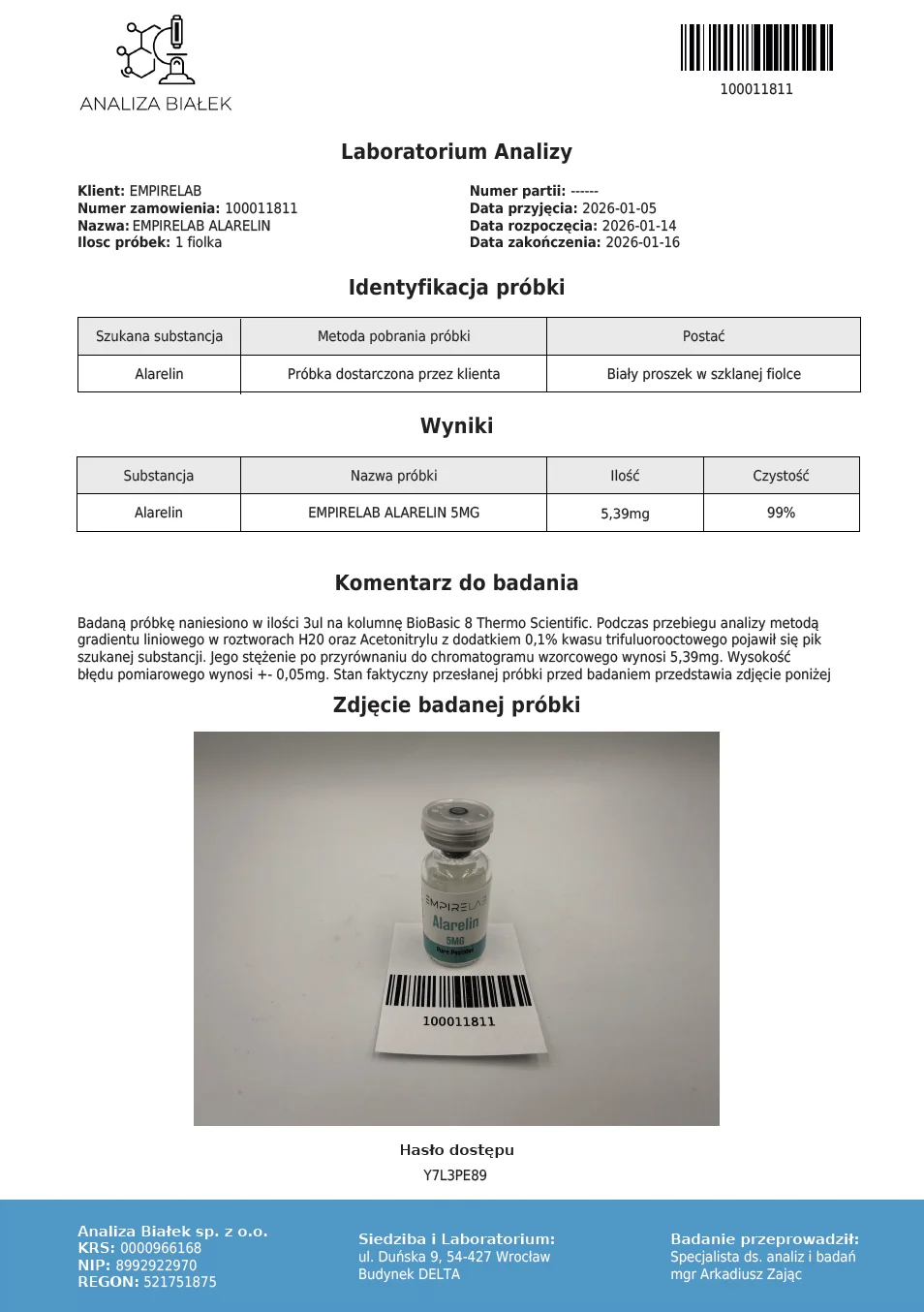
When choosing peptides for research, it is worth checking that documentation confirming the product's quality is available, in particular the results of the purity analysis of the substance.
| Test | Amount | Purity | Completion date | View / Download |
|---|---|---|---|---|
| ALARELIN test | 5.39mg | 99% | 16 Jan 2026 | View Download |
- CAS:
- 79561-22-1
- Molar mass:
- 1,287.42 g/mol
- Chemical formula:
- C60H86N16O16
5.00
2 reviews for ALARELIN 5mg + 3ml BAC
Write a review
Customers can review a product after receiving their order: under "My account → Orders" or via the link in the shipping email. Every review is checked before it is published.
Go to my ordersSimilar products
Bestseller
Bestseller


Bartłomiej (verified) –
Anonymous (verified) –