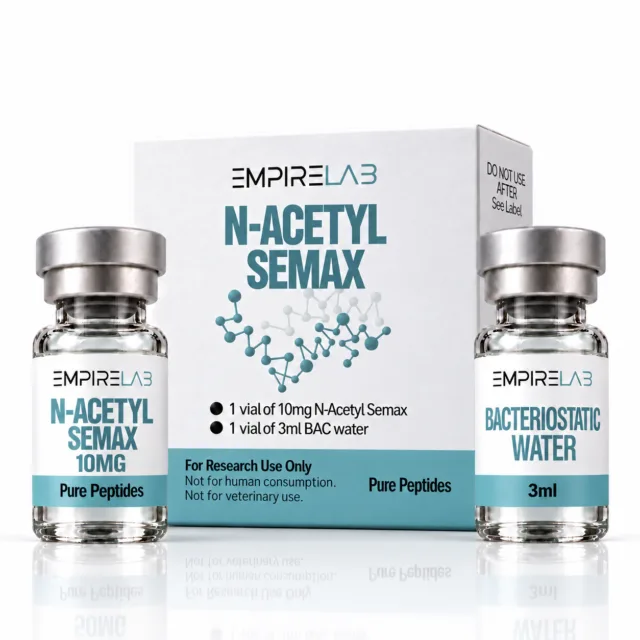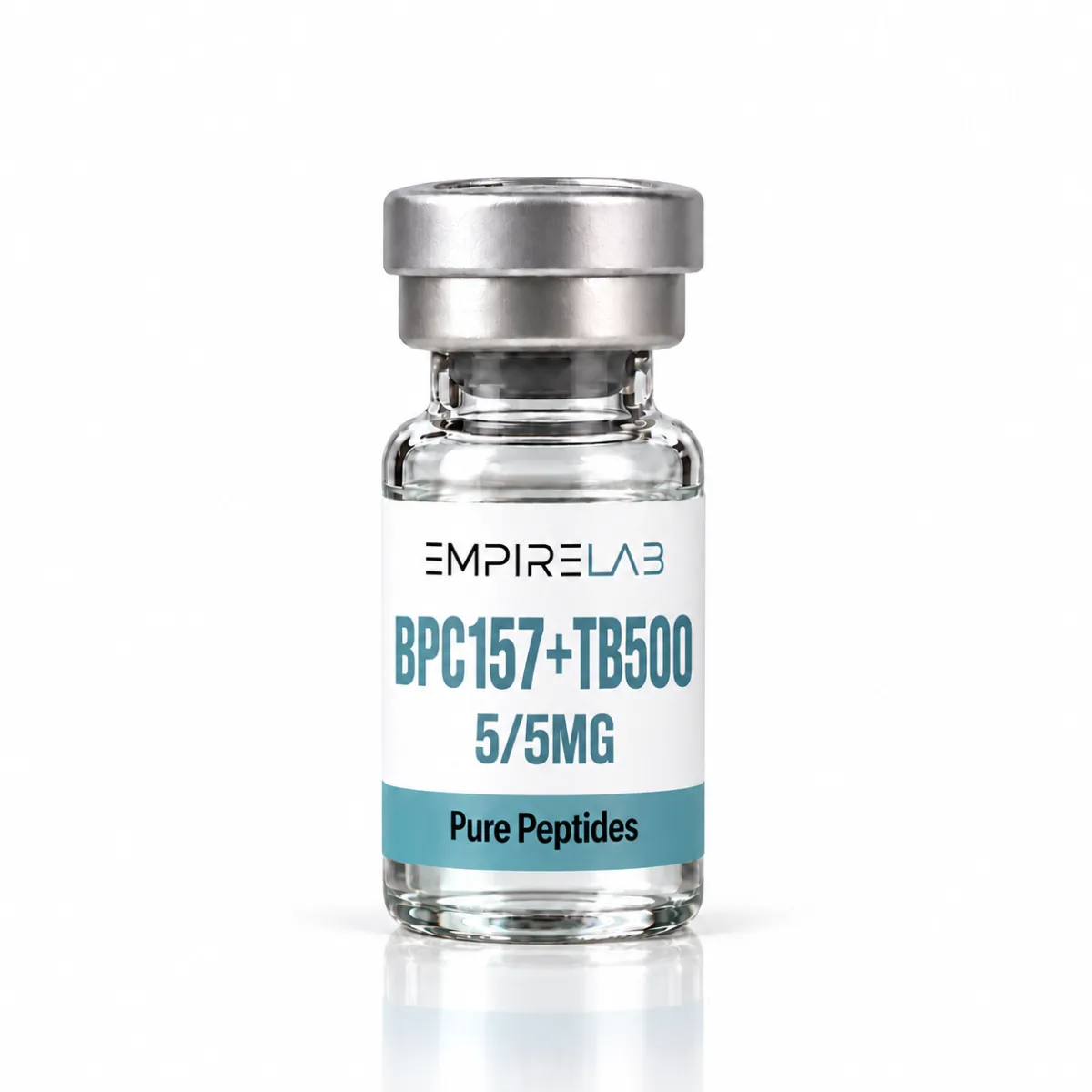
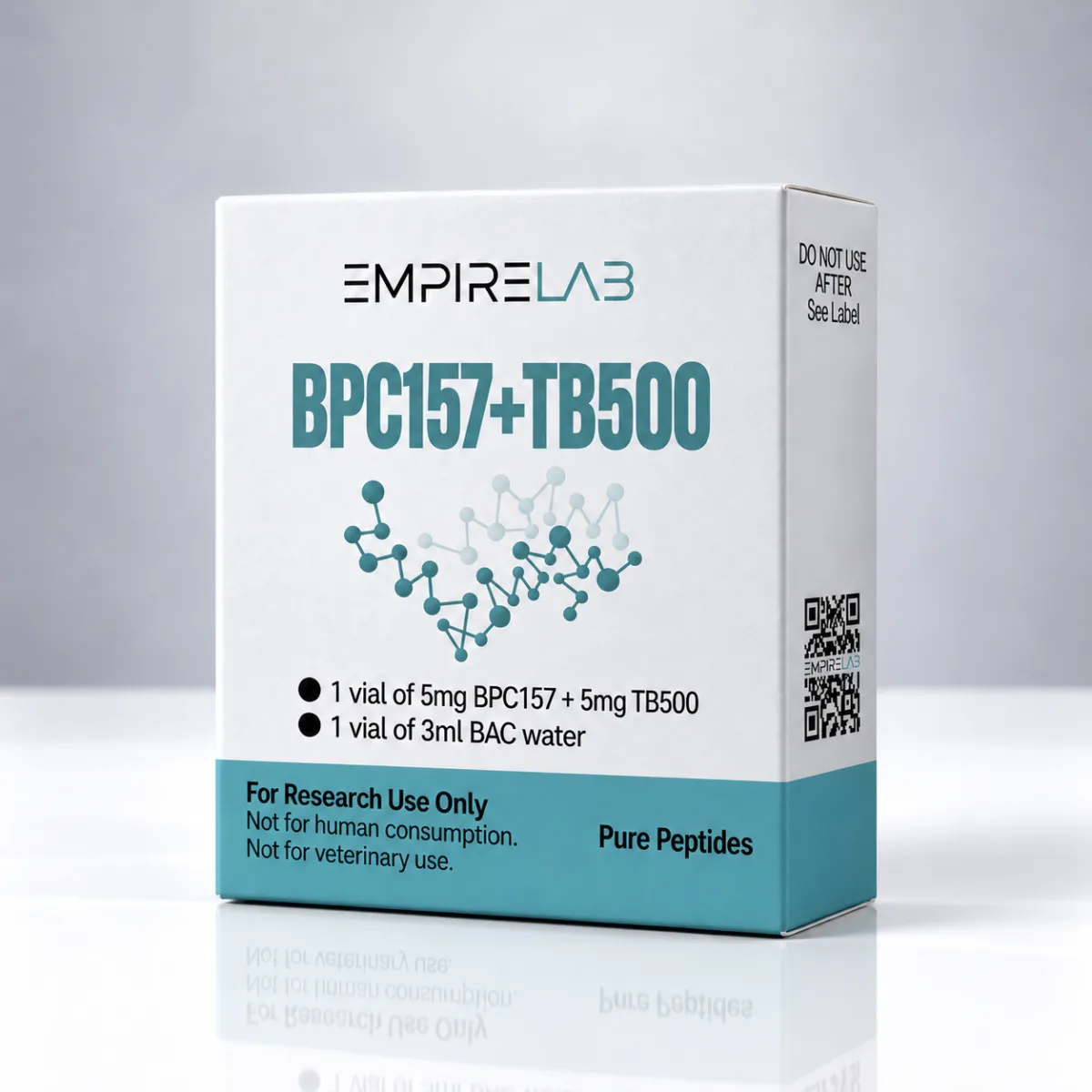
Bestseller
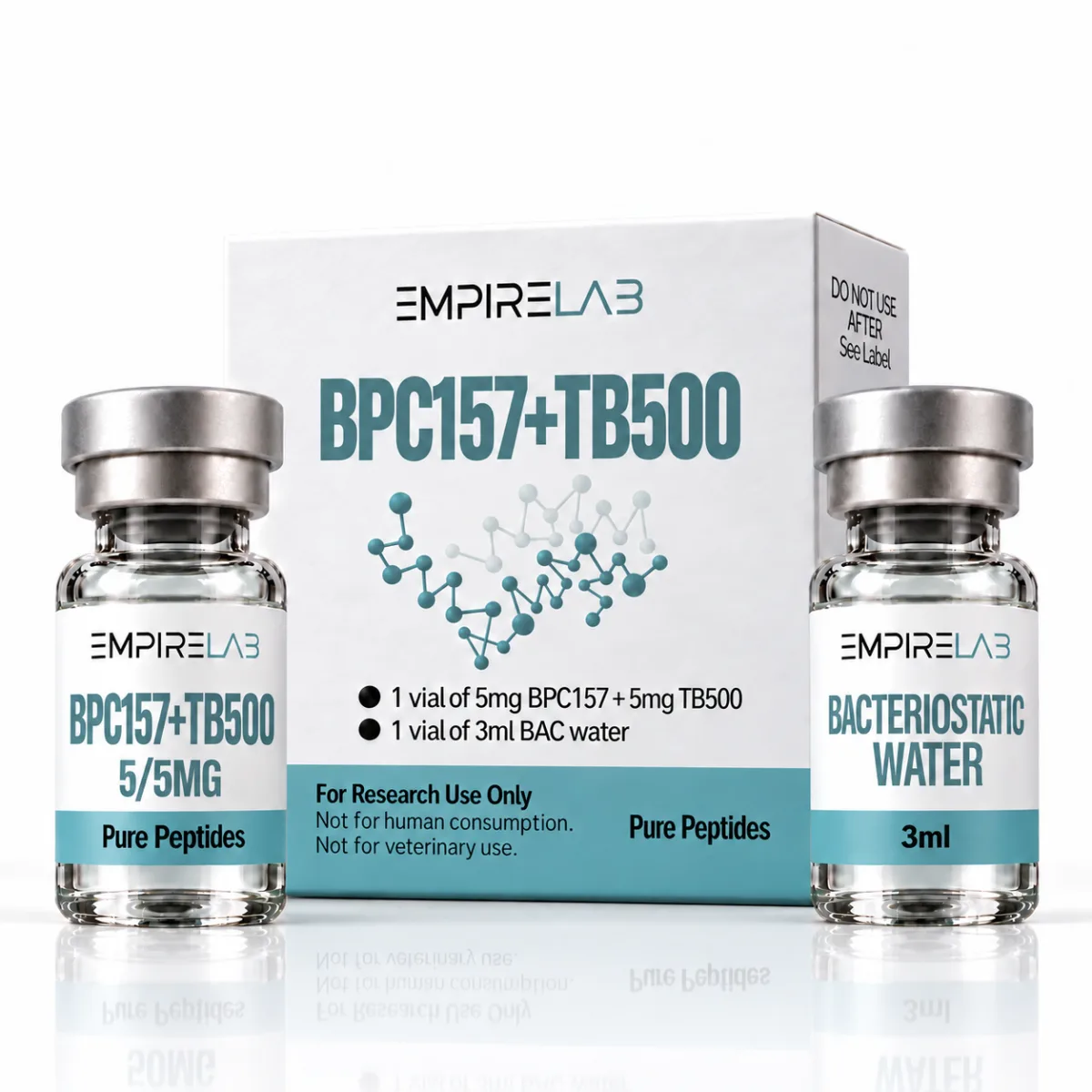
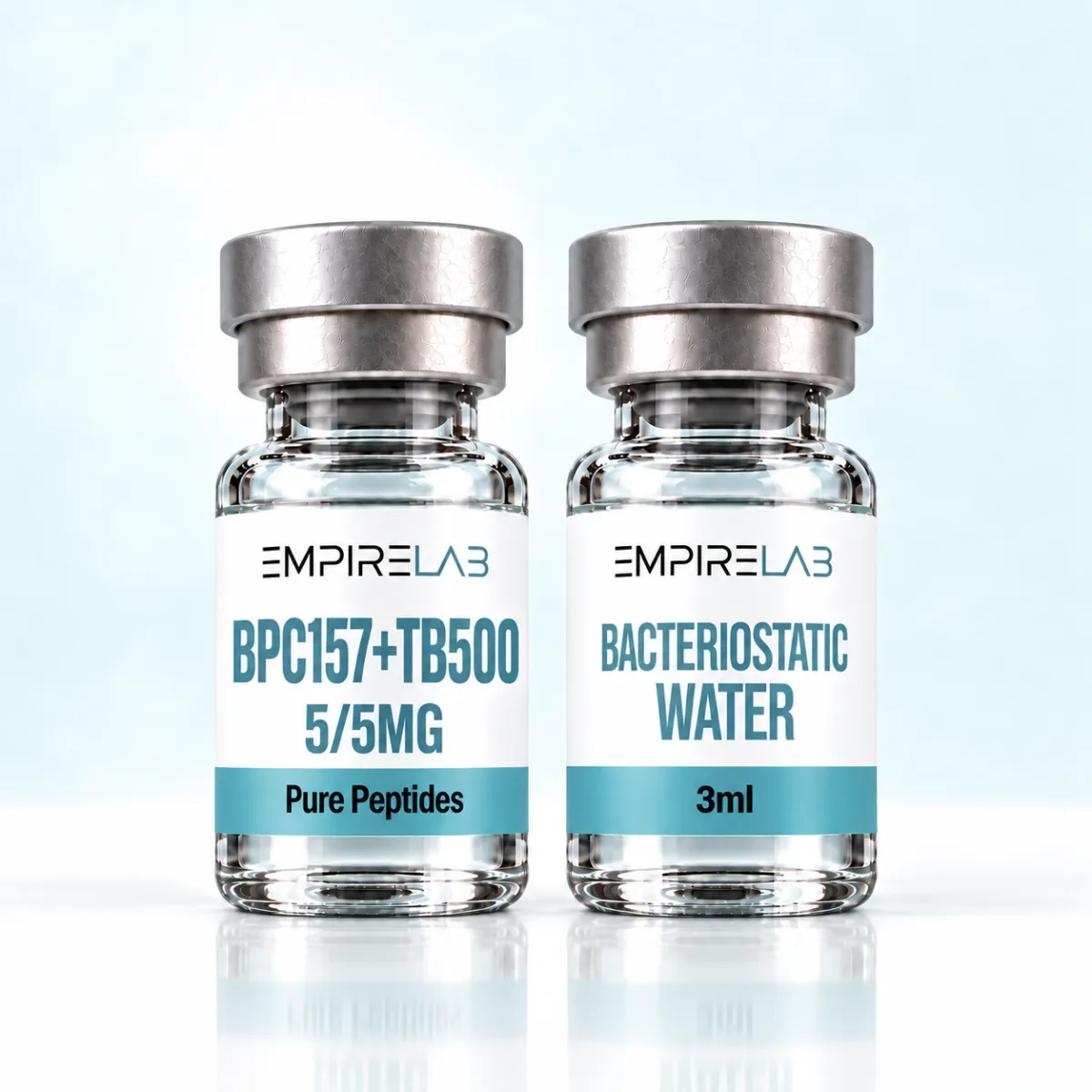
BPC-157 + TB-500 + 3ml BAC
0 reviews
€32.90
−0%
+ BACTERIOSTATIC WATER 3 ML
Chemical reagent intended for laboratory research only.
Before purchasing, we recommend reading the studies on BPC-157 and TB-500 and the safety data sheet.
Store refrigerated and protect from shocks. Do not shake the vial!
Lowest price in the last 30 days: €32.90.
Secure delivery and payment
- DHL
- Bank transfer
What to prepare for research on the BPC-157 + TB-500 blend?
- a vial of the BPC-157 + TB-500 blend,
- a laboratory syringe with graduated volume markings and a needle,
- BAC bacteriostatic water or a laboratory solvent that complies with the protocol,
- isopropyl alcohol or 70% ethanol for disinfection.
In addition:
- beakers, test tubes or special autosampler vials,
- an HPLC column capable of separating peptides,
- an HPLC system with a UV, FLD or MS detector.
Example: to prepare a sample of the BPC-157 + TB-500 blend, the reagent is dissolved in a suitable volume of BAC water. The resulting solution can be used to analyse the composition, purity and chromatographic profile.
The concentration calculator can be used to work out the right amount of the blend.
Preparing the BPC-157 + TB-500 solution for research
- The reagent vial is opened after removing the protective plastic cap.
- The stopper of the vial should be disinfected with isopropyl alcohol or 70% ethanol.
- The solvent is added using a sterile syringe.
- The contents of the vial are mixed carefully until fully dissolved.
- Shaking the peptide blend vigorously is not recommended.
- The sample is analysed according to the established laboratory procedure.
What is worth focusing on when analysing the BPC-157 + TB-500 blend?
- Blend purity analysis – assessing the quality of the material and any impurities.
- Component identification – confirming the presence of BPC-157 and TB-500.
- Determining component concentrations – quantitative analysis of the individual peptides.
- Blend stability testing – assessing the durability of the components in solution.
- HPLC profiling – separating and analysing the peaks corresponding to the sample components.
- Homogeneity assessment – checking the reproducibility of the blend's profile in the test.
Legal status of peptides in Poland
In Poland, peptides are available as chemical reagents intended for scientific and research purposes. They are not intended for use as medicinal products, food supplements, food or consumer products.
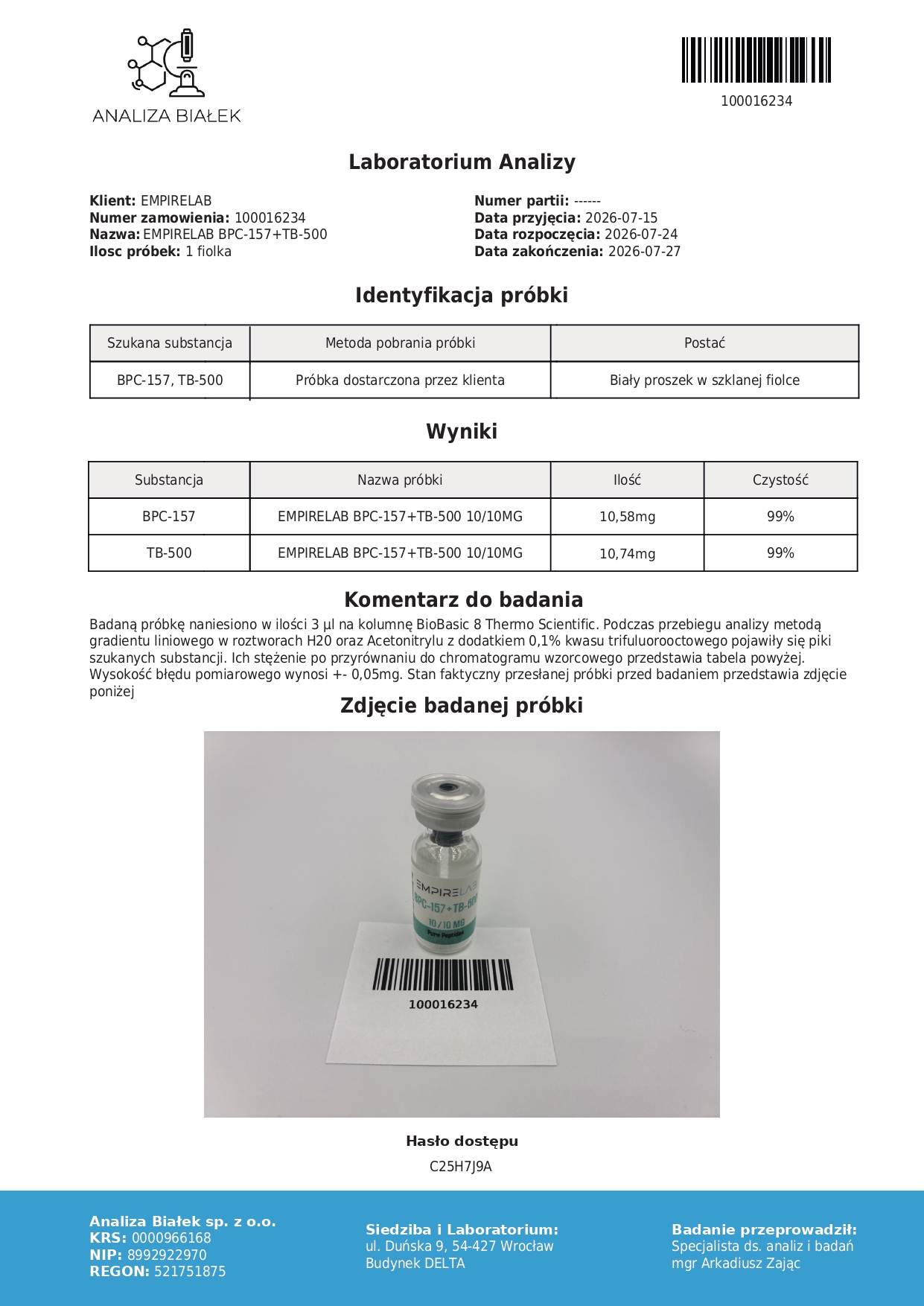
When choosing peptides for research, it is worth checking that documentation confirming the product's quality is available, in particular the results of the purity analysis of the substance.
| Test | Amount | Purity | Completion date | View / Download |
|---|---|---|---|---|
| BPC-157+TB-500 test | 10.58mg | 10.74mg | 99% | 27 Jul 2026 | View Download |
- CAS:
- 137525-51-0 + 77591-33-4
- Purity:
- 98%
- Molar mass:
- 1,419.56 g/mol | 889.02 g/mol
- Chemical formula:
- C62H98N16O22 | C38H68N10O14
Reviews
There are no reviews yet.
Write a review
Customers can review a product after receiving their order: under "My account → Orders" or via the link in the shipping email. Every review is checked before it is published.
Go to my ordersSimilar products
Bestseller
Bestseller
Bestseller