Bestseller
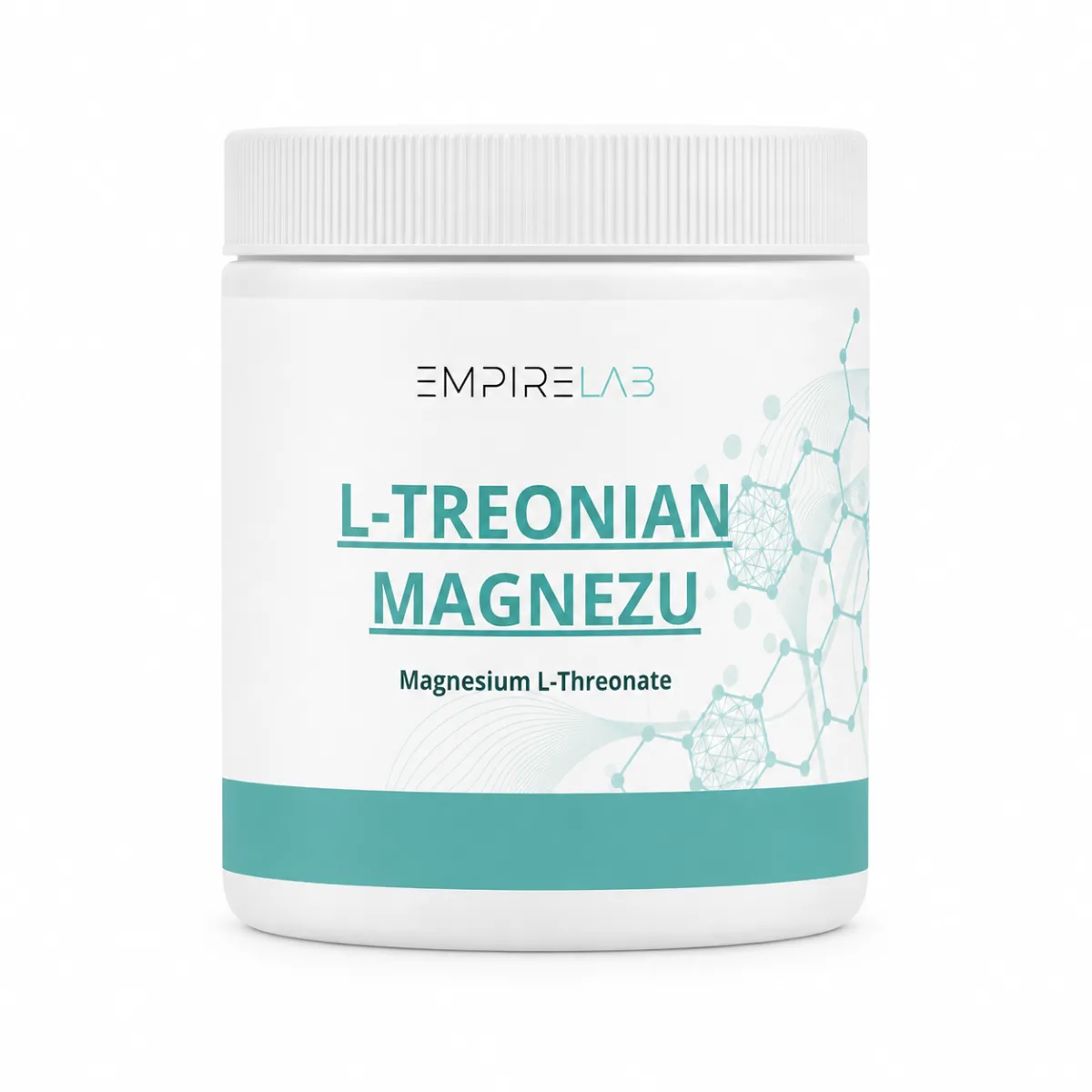
Magnesium L-Threonate Powder
0 reviews
€12.90
−0%
Chemical reagent intended for laboratory research only.
Before purchasing, we recommend reading the safety data sheet.
Lowest price in the last 30 days: €10.90.
Secure delivery and payment
- DHL
- Bank transfer
What to prepare for research on magnesium L-threonate?
- The chemical reagent magnesium L-threonate.
- Laboratory vessels for preparing and portioning the sample.
- A solvent or analytical medium in line with the test protocol.
- isopropyl alcohol or 70% ethanol for disinfecting work surfaces.
In addition:
- Beakers, test tubes, pipettes and autosampler vials.
- A chromatography column suited to the chosen analytical method.
- Analytical equipment suitable for the study being carried out, e.g. an HPLC system, an ion chromatograph, or an ICP-OES or ICP-MS spectrometer.
Example: magnesium L-threonate can be weighed out in a defined amount and prepared according to the analytical procedure. The reagent is intended for laboratory and research use only.
Preparing a magnesium L-threonate sample for research
- The reagent should be weighed using suitable laboratory equipment.
- The amount of sample should meet the requirements of the analytical method used.
- A solvent in line with the laboratory protocol should be used to prepare the solution.
- The sample is mixed gently until it is homogeneous.
- Conditions that could affect the stability of the substance under study are not recommended.
- Further analysis is carried out according to the test procedure.
What is worth focusing on when analysing magnesium L-threonate?
- Reagent purity analysis – assessing the quality of the research material.
- Identification of magnesium L-threonate – confirming the substance profile by chromatography or mass spectrometry.
- Determining concentration – quantitative analysis of the prepared sample.
- Stability testing – assessing the durability of the substance under various laboratory conditions.
- Elution profiling – analysing the separation of sample components and interpreting the chromatogram.
- Homogeneity check – verifying the uniformity of the research material.
- Compatibility assessment – observing the behaviour of the substance in the chosen solvent or analytical medium.
- Filler:
- none
- Packaging:
- 50 g | 100 g
- CAS:
- 778571-57-6
- Molar mass:
- 294.5 g/mol
- Chemical formula:
- C8H14MgO10
Reviews
There are no reviews yet.
Write a review
Customers can review a product after receiving their order: under "My account → Orders" or via the link in the shipping email. Every review is checked before it is published.
Go to my ordersSimilar products
Bestseller
Bestseller
Bestseller